- Product / format
- Washed, semi-washed, natural or honey anaerobic
- Crop / harvest
- November 2026 crop · harvest March–April and September–November
- Volume
- 96 – 192 MT depending on contract
- Sample
- Sample subject to confirmation
Kapak Road connects buyers with named producers and origin partners through structured lots, field-level traceability and a due-diligence workflow from first enquiry to shipment.
See how the route works →
Current and forward opportunities from our origin network, ranked by confirmation date, sample status and record completeness.


Quality and price matter. So does knowing who produced it, who represents it, what information exists and how the agreed product can move.
Kamojang, West Java
Represents and introduces Wanoja
Route and terms depend on the agreed lot
Sample, terms and movement
Kapak works with origin partners, producers and suppliers. Their roles are shown separately so buyers can understand who does what.
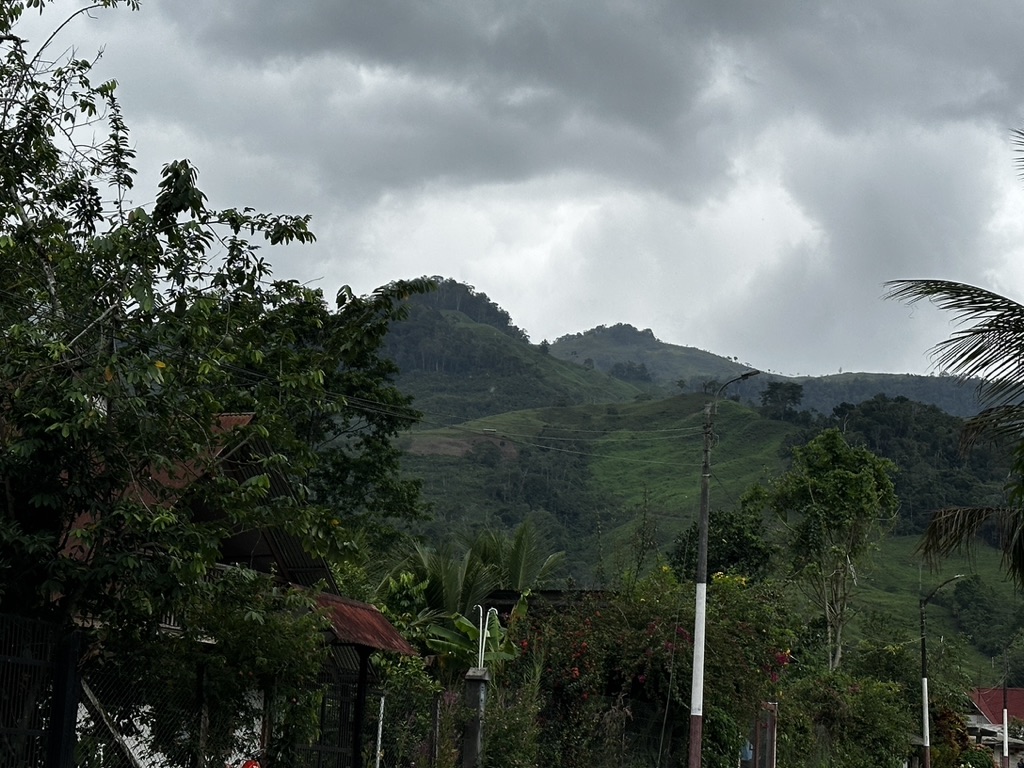
Amazonas, San Martín, Cusco, Junín · Peru
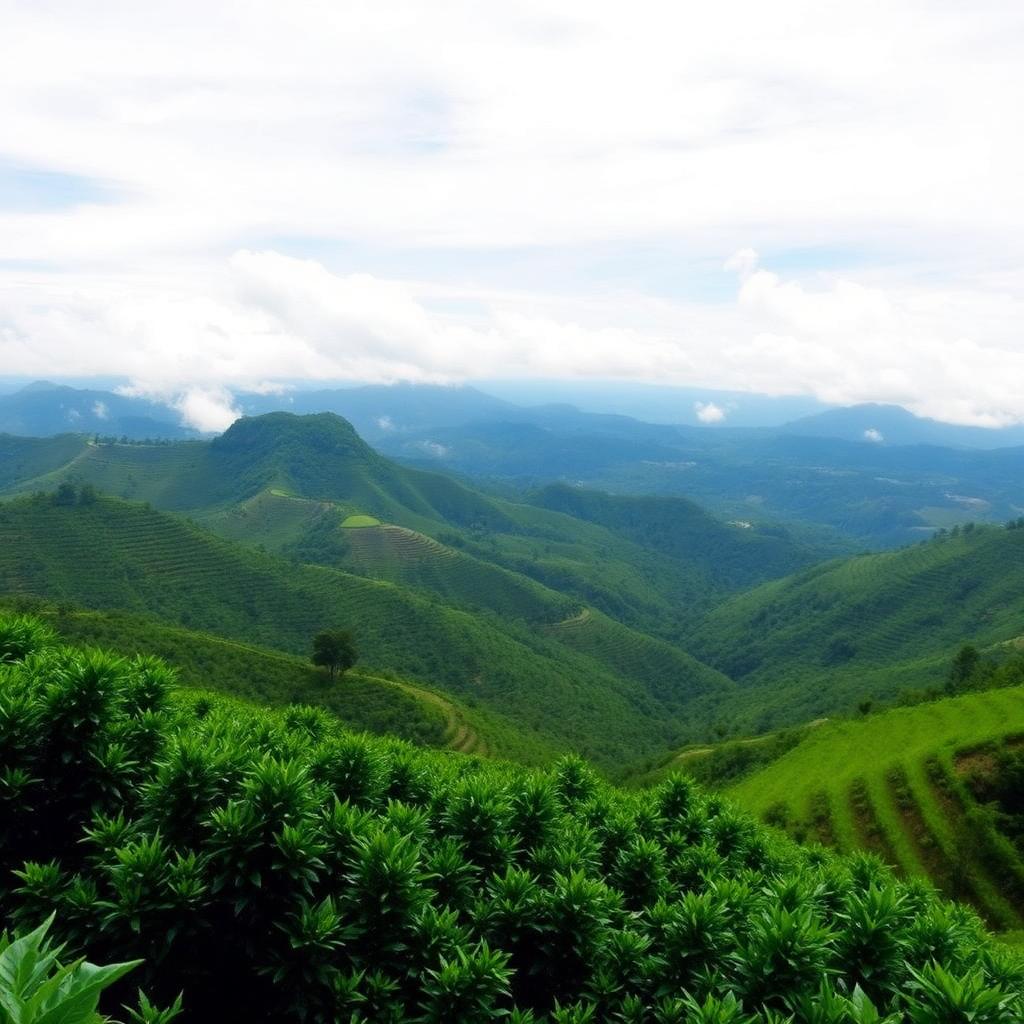
Kamojang, West Java · Indonesia
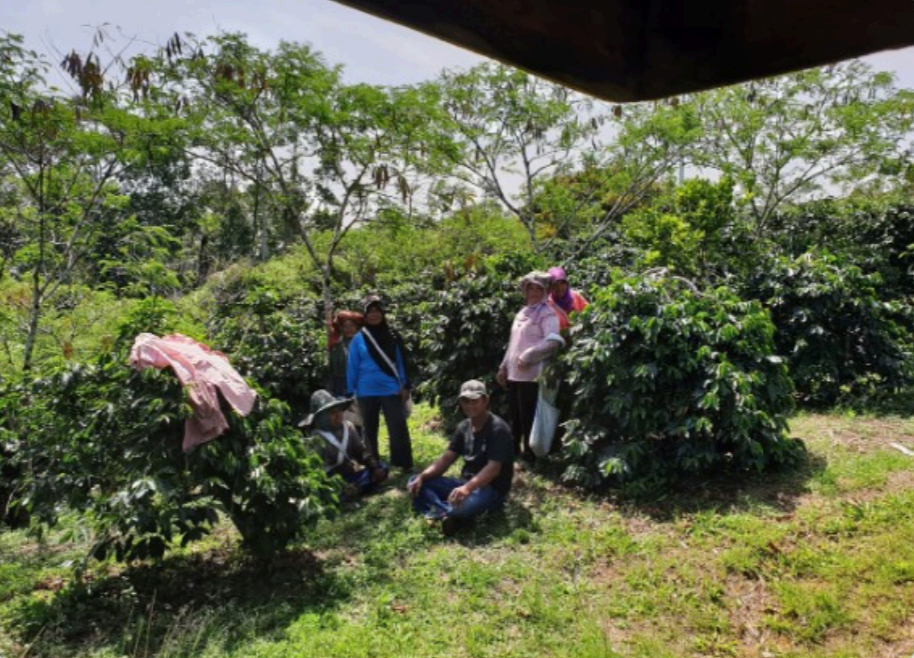
Balboa, Risaralda · Colombia
Gayo, Aceh · North Sumatra · Indonesia
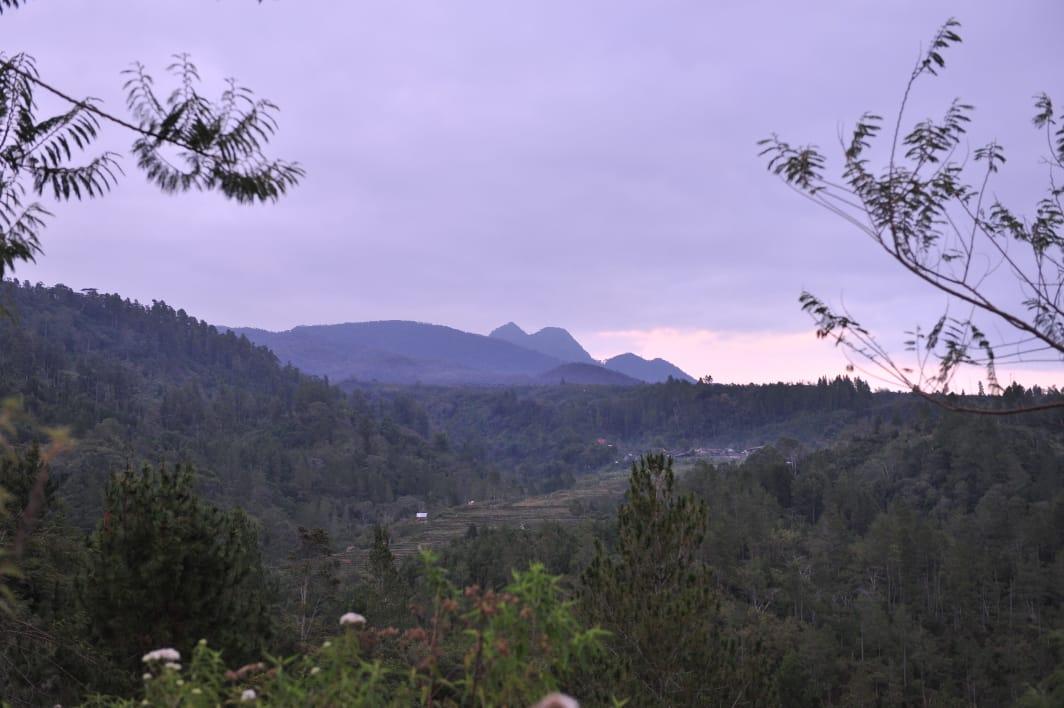
Marampak grower collective · Tana Toraja, South Sulawesi · Indonesia
Many smallholder farmers work with limited connectivity and digital tools. Cooperatives and local producer organisations provide the bridge; Kapak structures farm, plot, lot and document information without requiring every farmer to become a software user.
Produces and delivers
Collects, processes and records
Structures evidence and commercial information
Evaluates and trades
Each lot separates partner-reported information from records that have been received, reviewed or externally verified. Missing source, document, geolocation and route information remains visible before a transaction moves forward.
New buyers and suppliers go through onboarding due diligence before any match is made. Lot evidence and transaction-specific checks are then confirmed before terms and movement.
Alongside current supply, Kapak works with selected origin organisations to structure products, information and commercial routes for international markets.
A direct origin relationship connecting cacao products, community networks, documentation and buyer requirements in Peru.
A producer relationship where product, evidence and the export route are structured around a qualified buyer requirement.
The Qhapaq Ñan connected communities, productive regions and exchange across the Andes. Kapak borrows the network idea for modern trade: make the route visible, understand who sits along it, and build relationships that can continue beyond one transaction.
Our Road →Tell us the product, quality, volume, timing and destination. We will review it against current opportunities and our origin network.